Collection: OLD ANTIQUES
Ashtadhatu Statues: The Ancient Art of Eight-Metal Sculpting
Introduction
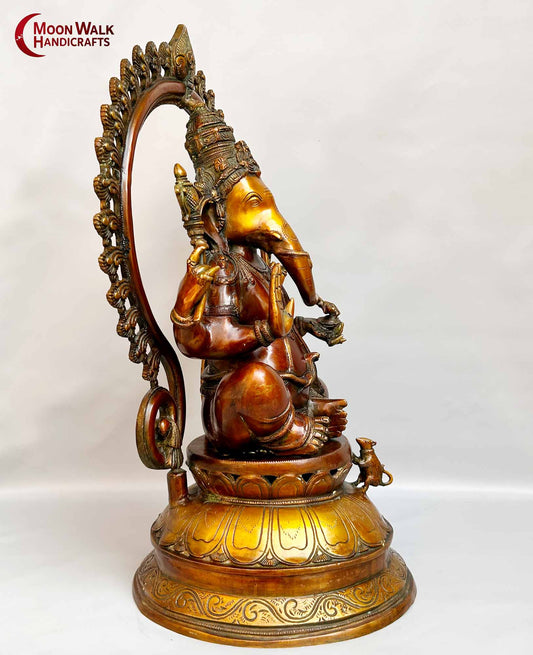
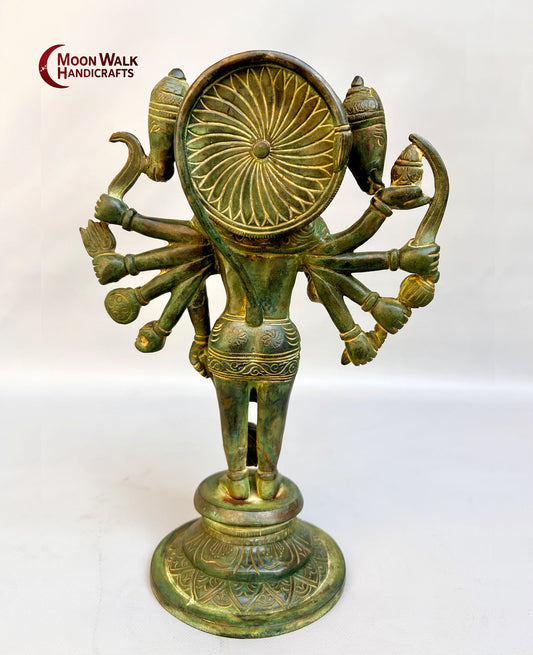
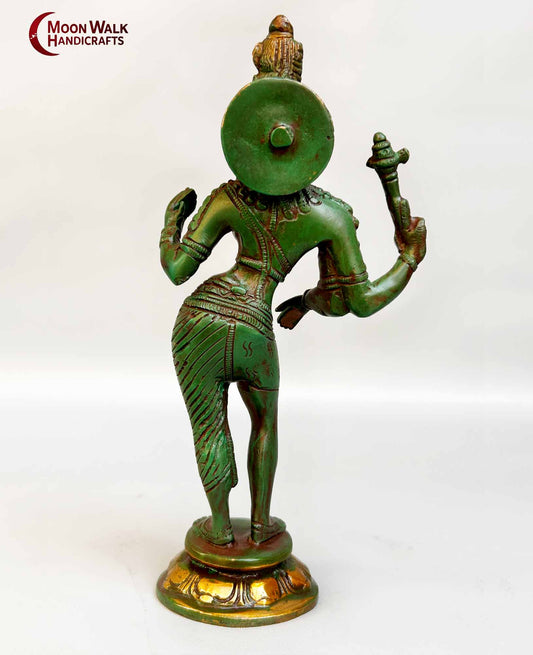
Ashtadhatu, meaning "eight metals" in Sanskrit, is a sacred alloy used in making Hindu and Buddhist statues. These statues, often depicting deities, saints, and mythological figures, hold immense religious and cultural significance. The blend of metals symbolizes strength, divinity, and prosperity, making Ashtadhatu sculptures revered objects in temples, homes, and spiritual spaces.
Composition of Ashtadhatu
The traditional Ashtadhatu alloy consists of the following eight metals:
-
Gold – Symbolizes purity and divinity.
-
Silver – Represents calmness and prosperity.
-
Copper – Denotes energy and strength.
-
Zinc – Associated with healing and longevity.
-
Lead – Provides durability and balance.
-
Tin – Enhances malleability and smoothness.
-
Iron – Stands for resilience and stability.
-
Mercury – A rare inclusion, signifying mysticism and transformation.
Different regions and artisans modify the metal ratios to enhance the durability and aesthetic appeal of the statues.
Historical and Religious Significance
- Ashtadhatu statues have been crafted for centuries in India and Nepal, especially for religious idols in temples.
- Ancient texts mention that Ashtadhatu idols possess spiritual vibrations and enhance the flow of positive energy.
- Many old temples and royal collections feature Ashtadhatu sculptures, reflecting the advanced metallurgy of ancient artisans.
Famous Ashtadhatu Statues
-
Lord Krishna and Radha Idols – Found in temples and homes, symbolizing love and devotion.
-
Lord Vishnu’s Dashavatar Statues – Representing his ten incarnations.
-
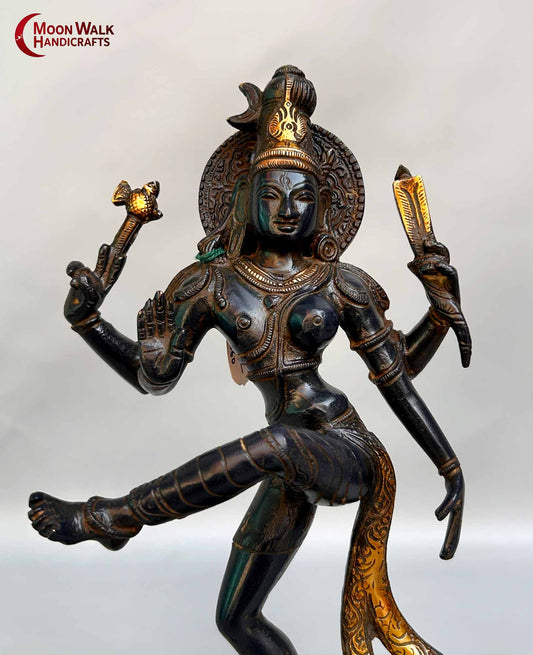
Nataraja (Dancing Shiva) – A symbol of cosmic cycles of creation and destruction.
-
Buddha and Bodhisattva Statues – Sacred in Buddhist culture.
-
Jain Tirthankara Idols – Found in ancient Jain temples.
Manufacturing Process
-
Lost-Wax Casting: An age-old technique where a wax model is created, covered in clay, and melted to leave a mold for molten metal.
-
Hand-Carving and Engraving: Fine details are chiseled into the statue.
-
Polishing and Finishing: Statues are sometimes coated in gold or silver for an elegant look.
Preservation and Maintenance
-
Avoid Moisture Exposure: To prevent oxidation.
-
Regular Cleaning: Use a soft, dry cloth to remove dust.
-
Occasional Polishing: Traditional polishing methods with natural oils keep the luster intact.
Conclusion
Ashtadhatu statues are not just religious icons but also historical treasures that showcase the mastery of ancient metallurgy. Whether in temples or personal collections, these statues embody spiritual energy, tradition, and artistic excellence.